Thailand is becoming more connected to international tax reporting systems.
Recent reports say the Thai Cabinet has approved further steps linked to international tax information exchange under the OECD framework. The immediate measure relates to corporate tax reporting and the Global Minimum Tax framework for large multinational companies.
For individual expats, that is not the main issue.
The more important point is that Thailand is continuing to move towards greater tax transparency, international co-operation and cross-border financial reporting.
If you live in Thailand and receive money from overseas, this is a useful reminder to understand your own Thai tax position.
Why this Matters for Expats
Many foreign residents in Thailand receive pensions, investment income, savings or other funds from overseas.
Some overseas income may be taxable in Thailand. Some may not be. The answer depends on your tax residence position, the source of the money, when it arose, whether it was brought into Thailand and what records you have.
International tax reporting does not replace Thai personal income tax rules. It does not create a new personal tax by itself.
However, it can make overseas financial information more visible to tax authorities. That is why clear records matter.
One example is the Common Reporting Standard, or CRS, which allows participating tax authorities to exchange certain financial account information. You can read more in our article on CRS and tax reporting in Thailand.
This Does not Mean all Overseas Money is Taxable
It is important not to panic or jump to conclusions.
Thailand’s move towards international tax reporting does not mean that every overseas pension, bank account, investment or transfer into Thailand is automatically taxable.
Your Thai tax position depends on your own circumstances. A transfer of old savings may be treated differently from current income. Pension income is different from investment proceeds. A transfer from a mixed account may also need closer review.
Tax already paid overseas may be relevant, depending on your situation and any applicable tax treaty.
The key point is not that everything is taxable. It is that relying on tax assumptions can be risky.
Why Understanding your Tax Position Matters
Many expats are unsure about their Thai tax position.
Common questions include:
- Am I Thai tax resident?
- Do I need a Thai tax identification number?
- Do I need to file a Thai Personal Income Tax return?
- Does my overseas pension need to be reported?
- What happens if I bring savings into Thailand?
- What records do I need to keep?
- Can I claim relief if tax has already been paid overseas?
These are practical questions. They usually cannot be answered properly without reviewing your residence status, income sources, remittances and supporting documents.
That is why it is better to understand your position early rather than wait until filing season.
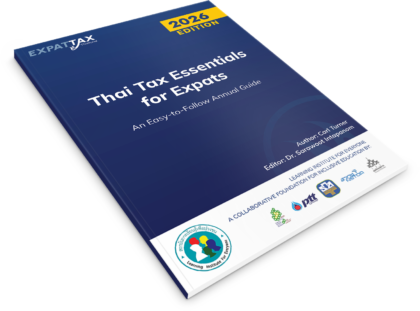
If you are still getting to grips with the basics of Thai tax residence, foreign income and filing requirements, you can download our free guide: Thailand Tax Essentials for Expats: An Easy-to-Follow Annual Guide
What Records Should Expats Keep?
If you live in Thailand and receive or transfer money from overseas, it is sensible to keep clear records.
Useful documents may include:
- Pension statements
- Bank statements
- Investment and brokerage statements
- Records of transfers into Thailand
- Evidence of tax paid overseas
- Documents showing whether funds came from income, savings or capital
This is especially important where money moves through several accounts before reaching Thailand.
For example, money may move from a pension provider to an overseas bank account, then to an investment account, then back to a bank account before being transferred to Thailand.
If records are left until later, it can become difficult to show clearly where the money came from.
What Expats Should Do Now
Thailand’s move towards international tax reporting is not a reason to panic. It is a reason to be organised.
This is also part of a wider move towards more data-led tax administration in Thailand, which we have covered separately in our article on AI tax monitoring in Thailand.
If you live in Thailand and receive overseas income or bring money into Thailand, you should review:
- Whether you are Thai tax resident
- What overseas income you receive
- What money you bring into Thailand
- Whether the funds are income, savings or capital
- Whether tax has already been paid overseas
- Whether you have records to support your position
The aim is to understand your position, keep clear records and avoid relying on guesswork.
Key Takeaway
Thailand’s latest OECD-related tax update should not be read as a new personal tax on expats.
The immediate measure mainly concerns corporate tax reporting for large multinational groups.
For expats, the wider message is more practical. Thailand is becoming more connected to international tax reporting systems, so overseas income, accounts and transfers should be taken seriously.
Not all overseas money brought into Thailand is taxable. However, if you live in Thailand, receive foreign income or regularly transfer money from overseas, you should understand your Thai tax position and keep records to support it.
Unsure How this Affects You?
If you live in Thailand and receive overseas income, pensions, investment income or regular transfers, Expat Tax Thailand can help you understand your position.
Our team can help you decide whether you need Thai tax filing support, a Thai tax identification number, a remittance review or further advice.
Book a free support call with Expat Tax Thailand and we will help you identify the next practical step.