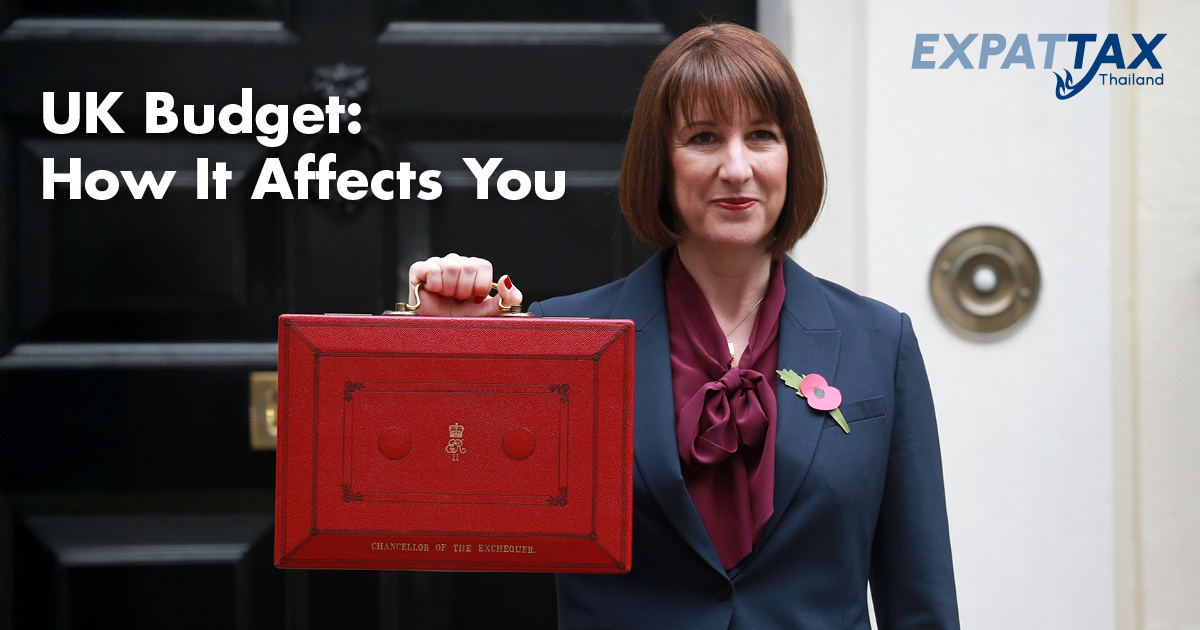

Rachel Reeves presented her UK Budget yesterday, attracting strong reactions across Britain. It has also generated an unusually sharp response from British expats and not only because of the changes announced. A pointed remark aimed at UK citizens living overseas has become a defining moment. While expats are used to complex rules and ever-shifting regulations, this year’s reforms mark a more deliberate shift in how the Government views citizens who choose to live abroad.
The Chancellor’s Statement: A Clear Shift in Attitude
During the Budget speech, the Chancellor set out the Government’s position on voluntary National Insurance contributions for people overseas. In a few lines she reshaped the relationship between Britain and its overseas citizens.
Here is the key extract from her remarks, summarised for clarity:
‘At present, voluntary Class 2 National Insurance contributions can be made from anywhere in the world, allowing individuals who spent only a short time in our country to build up full entitlement to the State Pension, often without having contributed a single penny in taxes during their time here. This is not right. Taxpayers’ money should not be spent on pensions for people abroad. From today, access to voluntary Class 2 contributions will be restricted to UK residents only.’
To understand why this caused such a reaction, it helps to know how voluntary National Insurance contributions (VNICs) have worked. For many years expats have been able to pay Class 2 contributions at a modest cost. This allowed them to maintain their National Insurance record and build towards the full State Pension while living abroad.
The Government itself has actively encouraged people to make these payments and has benefited from the revenue. Thousands of expats filled gaps in their record after recent campaigns extended the window to top up contributions dating back to 2006.
For many British expats it was therefore the tone, not only the policy, that struck a nerve. The suggestion that expats ‘may never have paid a penny in tax’ does not reflect the lived experience of millions of UK citizens overseas. Most have worked and paid UK taxes for decades. Some served in the armed forces. Many continue to pay UK tax today through rental income, investment income and pensions.
The remark also ignores an important fact. Unlike retirees in Britain, British pensioners in countries such as Thailand have their State Pension frozen once they move abroad. It never rises with inflation, even after years or decades of National Insurance contributions.
Against this backdrop the Chancellor’s language felt dismissive. Several expat groups have already criticised the Budget for overlooking the contributions made by overseas Britons throughout their working lives. The message was unmistakable. Britain is tightening its pension rules and expats are not being given a voice as these decisions are made.
Voluntary Class 2 NI Abolished for Expats: What Actually Changed
Until now, British expats could pay Class 2 voluntary National Insurance contributions at a cost of around £3.58 a week (£186 a year). This offered an affordable way to fill gaps in their record and build towards the full State Pension of £230.25 a week.
From 6 April 2026, expats and foreign nationals who once worked in the UK must pay Class 3 contributions instead. These rise to £18.10 a week (£941 a year). This remains roughly five times more expensive than Class 2.
This is not only a rise in cost. It fundamentally changes access to the State Pension:
- To qualify to make any voluntary contributions while overseas, you must have lived in the UK or paid National Insurance for at least ten years. The previous threshold was three.
- No new Class 2 contributions will be accepted from overseas
- Existing qualifying years are protected
HMRC estimates that around fifty thousand people a year currently pay Class 2 from overseas. Most of them will now face higher costs.
This new ten-year requirement is one of the most significant changes to voluntary contributions in decades. It will particularly affect younger expats and those who left the UK early in their careers.
Speculation About an Exit Tax: A Warning Sign for the Future
In the months before the Budget the Government floated the idea of an ‘exit tax’ for people moving overseas. While no such policy was announced, the fact that it is under consideration reveals a clear direction of travel.
Under the proposals discussed, an exit tax could:
- taxing unrealised gains when an individual leaves the UK
- requiring several years of non-residency, possibly up to ten, before the charge is avoided
- applying the tax to individuals who transfer assets overseas
If introduced it would have serious implications for many expats, particularly those with significant assets still in the UK or those considering moving assets out of Britain to manage future inheritance tax exposure.
Combined with the Chancellor’s comments on pensions, the message is clear. The Government is becoming more willing to treat expatriation as a taxable event and expats as a potential source of lost revenue.
Frozen Pensions: Looking Further Away Than Ever
One of the most important issues for British retirees overseas remains unchanged. The Budget did nothing to address the long-standing policy of freezing the State Pension for people living in countries such as Thailand.
Once a British pensioner moves to a ‘frozen’ country, their State Pension never increases. Someone who retired to Thailand twenty years ago receives the same payment today that they received on the day they left Britain.
For expats who have paid National Insurance throughout their careers this continues to feel unfair. Recent court decisions show little sign that the policy will change soon and the tone of the Budget suggests it may be moving further off the political agenda.
Wider Tax Freezes and Stealth Tax Measures
Although the Budget did not raise income tax rates, the continued freeze in thresholds means many people will pay more tax in real terms. This also affects expats with income still linked to the UK.
Key pressures include:
- Income tax thresholds remain frozen, pushing more people into higher bands
- The dividend allowance and savings allowance have been cut in previous years, increasing the tax burden on investment income.
- Expats who receive UK rental income, dividends, interest or pensions pay more tax even without rate rises.
Taken together these measures increase the cumulative impact on expats who remain tied to the UK tax system.
Inheritance Tax and the Ten-Year Question
Another important point is the continued freeze in the inheritance tax threshold. The nil-rate band has remained unchanged since 2009 and is likely to remain frozen for several more years.
For non-UK-domiciled expats the new ten-year rule for voluntary contributions raises an important question. Under existing law, certain assets can fall outside the UK inheritance tax net once an individual has been non-resident and non-domiciled for a sufficient number of years. If future policy tightens these timelines or introduces new tests, the position for long-term expats may change again.
With the Government signalling a tougher approach towards overseas citizens, inheritance planning remains an essential part of long-term financial strategy
UK Property Owners Abroad Face a Tougher Climate
The Budget did not introduce new property taxes, yet the broader policy direction continues to put pressure on expats who own homes or rental properties in the UK. The Government has already announced a new annual council tax surcharge on properties valued above £2 million from 2028. Revaluations are also expected in 2026, which may increase liabilities even without rate changes.
For non-resident landlords the cost of holding UK property has risen through tighter compliance requirements, restrictions on mortgage interest relief and more demanding reporting obligations.
These pressures are already influencing behaviour. Many high-value investors and foreign owners are reducing their exposure to the UK property market. For expats who own rental property or have kept a former home in Britain this makes long-term planning essential. It is important to assess whether the financial position remains sustainable and to consider the likely direction of policy over the next few years.
Pension Contributions and Allowance Restrictions for Residents Returning to the UK
The Budget also tightens pension rules for people in Britain. This matters because many expats return to the UK at some stage. Higher earners face new limits on salary sacrifice arrangements and the overall pension environment is becoming less generous.
Anyone considering a future return should factor these changes into their planning, particularly if they expect to rebuild UK pension contributions later in life.
The Broader Economic Direction: Why Expats Should Pay Attention
The measures in this Budget sit within a wider economic context. Growth forecasts remain modest. Public spending pressures continue to rise. Welfare commitments have expanded and the Government faces significant fiscal constraints.
In practical terms this means more tax rises are likely over the next few years. Expats should expect continued tightening rather than any easing of rules that apply to overseas citizens.
What These Measures Mean for British Expats
British expats should now reassess several key areas:
- Their long-term State Pension strategy and whether topping up remains cost-effective.
- Their UK property exposure, especially in higher-value markets.
- Their UK investment income and overall tax burden.
- Their risk profile if an exit tax re-emerges.
- Their long-term link to the UK tax system.
- Their retirement model if their pension remains frozen abroad.
- Their inheritance tax position and any potential need to restructure assets.
A clear understanding of these issues will help expats protect their position and make informed decisions about their future.
Why Join Our Webinar for More Analysis

Today’s UK Budget will shape tax and pension rules for the year ahead and many of the changes have direct effects on British expats in Thailand. Our live session on Wednesday gives you a clear explanation of what has been announced and how it may influence your income, pension planning and future decisions.
Carl Turner and Neil Chadwick will walk you through the key measures and highlight what you may want to review before the end of the tax year. There will also be a live Q&A where you can ask questions and receive practical guidance from our experts.
Need Personal Advice?
If today’s UK Budget raises questions about your position, we are here to help. Whether you want to understand how the changes affect your UK pension, investment income or long-term plans in Thailand, our team can guide you through the detail.
Book a free chat with Jason or John and receive clear, practical advice tailored to your situation.


